iPaulina
How is chemistry used in forensic science?
Chemistry plays a crucial role in forensic science by providing tools and techniques to analyse evidence and aid criminal investigations. Key methods include DNA analysis, spectroscopy and chromatography, each of which offers unique insights into the origin and nature of objects found at crime scenes.DNA analysis
DNA analysis is one of the most important tools in forensic science. DNA, found in all living cells, is a unique genetic code that identifies every person (except for identical twins who would share the same DNA). Forensic scientists collect DNA samples from biological evidence such as blood, saliva, skin cells or hair.
First, the DNA is isolated from the sample. Then, a method called Polymerase Chain Reaction (PCR) is used to make copies of specific parts of the DNA; this is necessary because crime scene samples are often microscopic, and PCR allows scientists to have enough DNA to study. The DNA is then analysed to create a profile, often called a ‘genetic fingerprint,’ which shows patterns that are unique to each individual. By comparing profiles compiled from evidence to profiles from suspects or police databases, scientists can determine whether someone was at the scene or connected to the crime. DNA analysis is highly reliable and has been used to convict criminals and clear innocent suspects.
Spectroscopy
Spectroscopy is another important tool in forensic science; it involves studying how materials interact with light or energy and works even when the samples are very small or mixed with other substances. Different materials absorb, reflect, or emit light in unique ways, which creates a ‘fingerprint’ that scientists can use to identify them. There are several types of spectroscopy used in forensic investigations, including UV spectroscopy, infrared spectroscopy and mass spectroscopy.
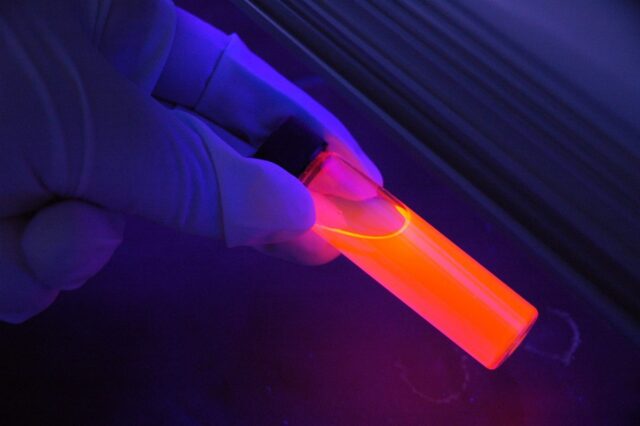
UV spectroscopy uses ultraviolet light to detect substances that are invisible to the naked eye, such as bodily fluids on clothes. It is an especially helpful technique as the process can discover evidence without damaging it. Infrared spectroscopy examines how molecules vibrate when exposed to infrared light; scientists use it to identify unknown materials such as drugs, fibres or paints by studying their molecular structures. Finally, mass spectrometry is a powerful technique that measures the mass of molecules to determine the substances that are present. It is often used to detect trace amounts of drugs, poisons or explosive materials, as even microscopic samples can be analysed successfully with this method.
Chromatography
Chromatography is a technique used to separate mixtures into their component parts; forensic scientists use this method to establish what substances are present in a sample and how much of each substance there is. Chromatography is especially helpful when evidence contains a mix of materials, such as drugs, toxins, and environmental contaminants. There are three main types of chromatography used in forensic science: gas chromatography, liquid chromatography, and thin-layer chromatography.
Gas chromatography is used to analyse substances that can turn into gases easily. For example, forensic scientists might use it to detect alcohol in blood samples or analyse chemicals found in explosives. Liquid chromatography is used for substances that do not turn into gases, such as blood or urine; it is often used to find drugs, poisons or other chemicals in these samples. Thin-layer chromatography is a simpler method that involves spreading a mixture onto a special surface in order to separate it into its constituent parts. Scientists use it for quick tests, such as identifying the dyes in fabrics or inks in documents.
Forensic chemistry has its limitations. Sometimes evidence can be contaminated or damaged, which makes it harder to analyse; meanwhile, small or degraded samples can be difficult to work with, and results must always be interpreted carefully to avoid mistakes. However, scientists are continuing to develop new technology to improve forensic chemistry. Portable tools, such as mini spectrometers or faster DNA testing machines, allow investigators to analyse evidence more quickly and easily, even at crime scenes, while computers and artificial intelligence are helping scientists to interpret data more accurately, making investigations even more reliable.
In summary, chemistry is a key part of forensic science, helping investigators uncover details that are crucial for solving crimes; its techniques can also be useful in many other types of investigation, from solving environmental pollution issues to identifying contaminated food products. DNA analysis identifies people through their genetic material, spectroscopy reveals the hidden properties of substances, and chromatography separates and identifies complex mixtures. These techniques work together to turn small – sometimes even microscopic – pieces of evidence into big answers. As the techniques continues to improve, forensic chemistry will become even more effective, helping scientists to enable justice to be served.
Marissa (LV)

Non-crime hate incidents

Movie review: The Perks of Being a Wallflower

I am not and yet here I am: the fascinating world of cryptocurrencies

The US election: why did Trump win?

The neuroscience behind sleep and dreams: why do we sleep?

Mary Delany: The Making of Flowers as an Act of Sapphic Love

Progress and challenges of gender equality in sports
