iPaulina
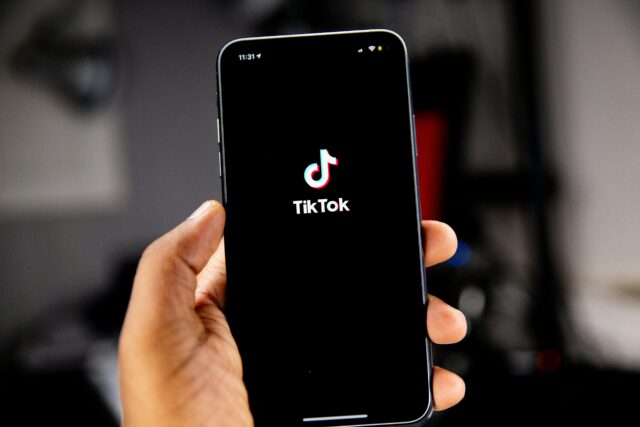
How has TikTok influenced our taste in music?
Over the past decade, TikTok has come to shape music trends and the way we share audio. With the instant dopamine hits from its short videos, and the addictive For You Page (FYP) curated by a personalised algorithm, it is ever popular among adolescents and adults alike. TikTok’s unique way of presenting audio to its users has revolutionised the way that we respond to music, shaping the industry globally.TikTok has positively impacted many artists, with viral audios bringing unexpected publicity and exposure. Thanks to TikTok’s impressive audience of 1.9 billion people, if a song is popular on the platform, it can be catapulted into global fame. For example, Not Like Us by Kendrick Lamar, which has just won five Grammys, arguably gained widespread recognition because of its success on TikTok. The platform has also enabled niche genres and underground artists to step into the limelight; it gives independent artists a platform to reach millions of listeners without paying for traditional marketing or signing with a label. For example, girl in red’s music, despite being produced in her bedroom, managed to achieve global acclaim after her song we fell in love in october went viral on TikTok.
The international reach of TikTok has made it easier for artists from different cultures to share their music. K-Pop, Latin music, and Afrobeats (e.g., the song OMG by NewJeans) have gained significant popularity on the platform; this has introduced new musical styles and foreign languages into our everyday playlists, leading to a more inclusive listening experience. The platform’s algorithm plays a hand in exposing users to a diverse range of music – unlike themed playlists on streaming services, TikTok’s FYP exposes viewers to up-and-coming artists and genres they might not have otherwise encountered. Furthermore, it is not uncommon for songs from older eras to go suddenly viral; this has also led to more varied music tastes among users.
However, TikTok’s overly commercialised nature has equally had negative effects, as it often encourages musicians to create music to get clicks, rather than organically. TikTok’s unique presentation of media allows creators to make short videos set to catchy music. This has led to the rise of viral audios, which are a few seconds of a distinct part of a song. In the hopes of starting a new trend, artists come to TikTok to promote their songs, mostly reusing the same catchy snippet from a song in each video. As trending audios must be short and memorable, artists have started to prioritise creating songs with strong intros or hooks. In many cases, they have largely abandoned trying to pursue an extended metaphor or overall message in their songs due to the length restrictions of each video. This means that popular songs are sometimes shallow and repetitive, and our frequent exposure to these songs may mean that we will find thematically deeper and more musically technical songs boring or difficult to understand.
TikTok has undeniably transformed the way we discover and listen to music, as well as our music tastes in general. The globalisation of music via TikTok has caused genres from all over the world to appear in our playlists, and this has created greater variation within each person’s music preferences. However, because it rewards artists who focus on snappy excerpts in their songs, we are listening to structurally simpler songs with simpler motifs. That may ultimately lead to a loss in the music world.
Jessica (VI)

Does football create division or bring people together?

Universal basic income: a solution to poverty?

The impacts of space exploration

Korean moon jars: history and symbolism

The science behind altitude training

Should we scrap the House of Lords?

Simone Biles
