iPaulina
Can fashion be both sustainable and stylish?
Fashion is an ever-evolving industry that influences the way that people express themselves. However, the rise of fast fashion has led to significant environmental and ethical concerns – the industry is the world’s second biggest consumer of water, and it is responsible for about 10% of global carbon emissions. Many believe that sustainable fashion is dull and impractical, but is this really the case? Could fashion be both sustainable and stylish? Absolutely.Fast fashion prioritises speed and affordability, but at a devastating cost. It relies on cheap labour, exploits workers, and contributes to pollution, textile waste, and excessive water consumption. The constant cycle of new collections encourages overconsumption, leading to garments that quickly fall apart or go out of style. As awareness grows, however, consumers are rethinking their habits and searching for alternatives that align with both their values and their love for fashion.
Sustainable fashion prioritises eco-friendly materials, ethical labour practices, and durability. Brands are now incorporating organic fabrics, recycled materials, and innovative production methods into their garments, minimising their environmental impact. Designers like Stella McCartney, Patagonia, and Mara Hoffman are also embracing slow fashion, which emphasises quality over quantity. They offer fashionable, high-quality clothing without compromising ethical values.
The notion that sustainable fashion lacks style is outdated. Modern sustainable fashion embraces creativity and innovation, proving that environmentally responsible choices can be just as stylish as mainstream trends. Upcycled fashion, minimalist capsule wardrobes, and timeless pieces help consumers achieve a chic and unique look while reducing overconsumption. Moreover, sustainable fashion encourages individuality by moving away from mass-produced, trend-driven clothing. Instead of following fleeting fashion trends, people can express their personal style with carefully curated pieces.
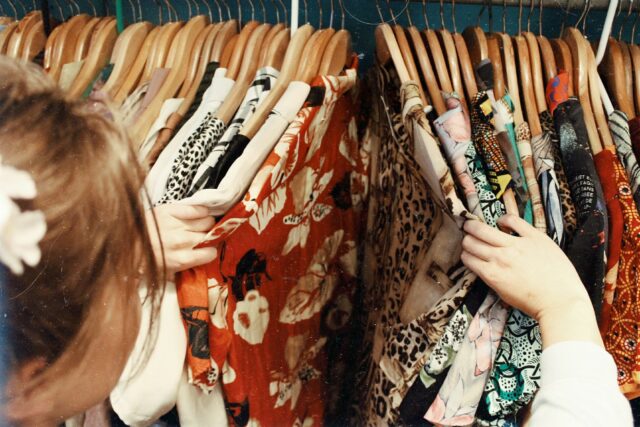
Adopting a more sustainable approach to fashion does not mean giving up on style. Thrift shopping, upcycling and DIY fashion, building capsule wardrobes, and supporting ethical brands are just some of the strategies people are employing in order to wear outfits which are both sustainable and stylish; the two are not mutually exclusive. In fact, sustainable fashion offers an opportunity to redefine personal style in a way that is ethical, innovative, and timeless. By making conscious fashion choices, consumers can contribute to a greener planet without compromising their sense of style. Fashion can be both sustainable and stylish – it’s all about how we choose to engage with it.
Selvi (V)

The ethics of genetic enhancements in sports

Inside vaccine development: from lab to life-saving shot

UK election gaffes mini-series part 2: Ed Miliband’s bacon sandwich

How has TikTok influenced our taste in music?

Does football create division or bring people together?

Universal basic income: a solution to poverty?

The impacts of space exploration
